






Boxing Gloves Guide UK | How To Choose The Right Gloves
Intro
Choosing the right boxing gloves can make a huge difference to your comfort, protection and performance in training. Whether you are completely new to boxing or upgrading from your first pair, this guide explains the different types of boxing gloves, what glove weights mean, how to choose the right fit and which gloves suit bag work, pads or sparring.
Who this guide is for
This guide is for:
- beginners buying their first gloves
- boxers choosing gloves for bag work or sparring
- parents buying gloves for older children or teens
- anyone comparing glove types, sizing and protection levels
Section 1: What boxing gloves are used for
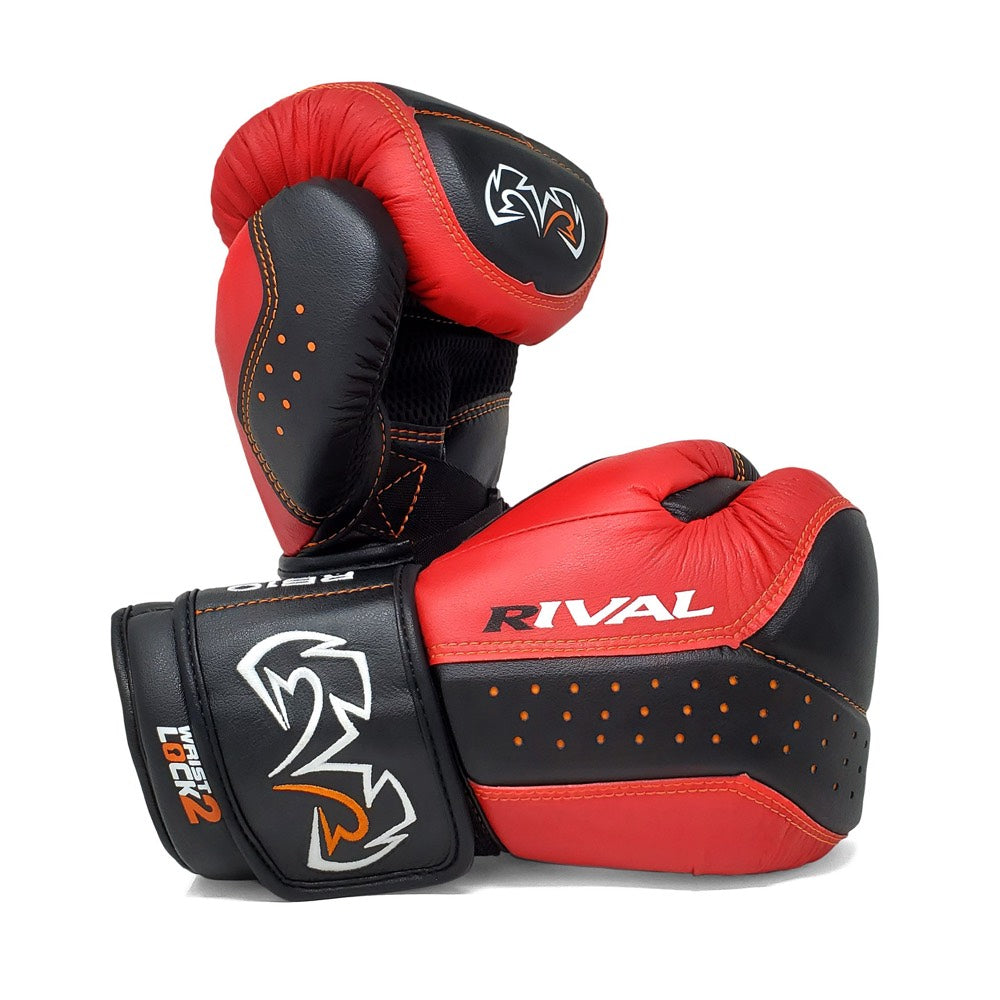
Boxing gloves are designed to protect your hands, wrists and knuckles while reducing impact during training. Different gloves are better suited to different sessions. Bag gloves are typically more compact and firm, training gloves are more versatile, and sparring gloves usually offer more padding for safer partner work.
Section 2: The main types of boxing gloves
Training gloves
A versatile all-round option suitable for most sessions, including pads, bag work and general gym use.
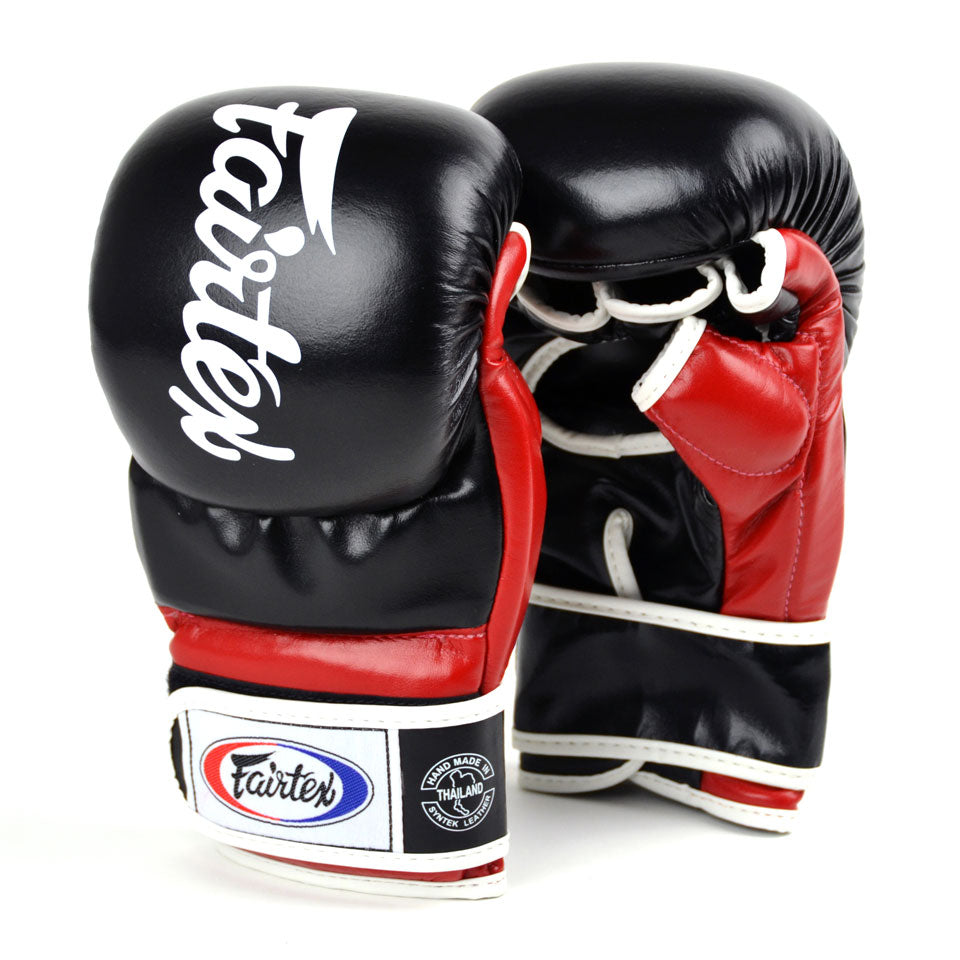
Sparring gloves
Built with added protection and usually chosen in heavier weights, often 14oz or 16oz depending on bodyweight and gym rules.
Bag gloves
Designed for heavy bag and pad work where a compact fit and punch feedback matter.
Competition gloves
Used for bout-specific purposes and usually selected according to competition rules, not general training.
Section 3: Understanding glove weight
Glove weight is measured in ounces. In general:
- lighter gloves are often used for pads and bag work
- heavier gloves offer more padding and are commonly used for sparring
- gym rules and bodyweight both matter
As a practical starting point:
- 10oz to 12oz: lighter training and pad work
- 12oz to 14oz: general training for many adults
- 14oz to 16oz: commonly used for sparring
- 16oz+: heavier sparring and extra protection
Always follow your coach or gym’s sparring rules.
Section 4: How boxing gloves should fit
A good glove should feel snug without crushing your hand. You should be able to wear hand wraps comfortably inside. The wrist area should feel secure, the thumb should sit naturally, and there should be no painful pressure points.
Section 5: Leather vs synthetic
Leather gloves are often preferred for longevity, feel and premium finish. Synthetic gloves can still be a strong option for beginners, lighter training or tighter budgets. The best choice depends on how often you train and what level of durability you need.
Section 6: What beginners should buy
Beginners usually do best with an all-round training glove that offers:
- good wrist support
- reliable knuckle protection
- comfortable lining
- durable outer material
- a weight suitable for their training type
For most new starters, it is better to choose a glove that can handle general classes and pad work rather than something ultra-specialised.
Section 7: Common buying mistakes
- buying gloves based only on colour or brand
- choosing a glove that is too light for sparring
- ignoring wrist support
- buying without considering hand wraps
- using one glove for every purpose for too long
Section 8: Recommended categories to shop
FAQs
What size boxing gloves do I need?
This depends on your bodyweight, intended use and gym rules. For general training, many adults choose 12oz to 14oz, while sparring often requires 14oz or 16oz.
Are heavier gloves better?
Not always. Heavier gloves usually provide more padding, which is helpful for sparring, but lighter gloves may feel better for fast pad work or bag sessions.
Can I use the same gloves for everything?
You can start that way, especially as a beginner, but many regular boxers eventually keep separate gloves for sparring and bag work.
Do I need hand wraps with boxing gloves?
Yes, in most cases. Hand wraps help support the wrist and knuckles and improve fit inside the glove.